
Aracne Project
ARACNE (Advocating the Role of Silk Art and Cultural Heritage at National and European Scale) is a groundbreaking European project that connects the continent’s rich silk heritage with innovative modern applications. Funded by the European Union’s Horizon Europe research and innovation programme under Grant Agreement No 101095188, this three-year initiative (2023-2026) brings together an international consortium dedicated to revitalizing Europe’s silk legacy.
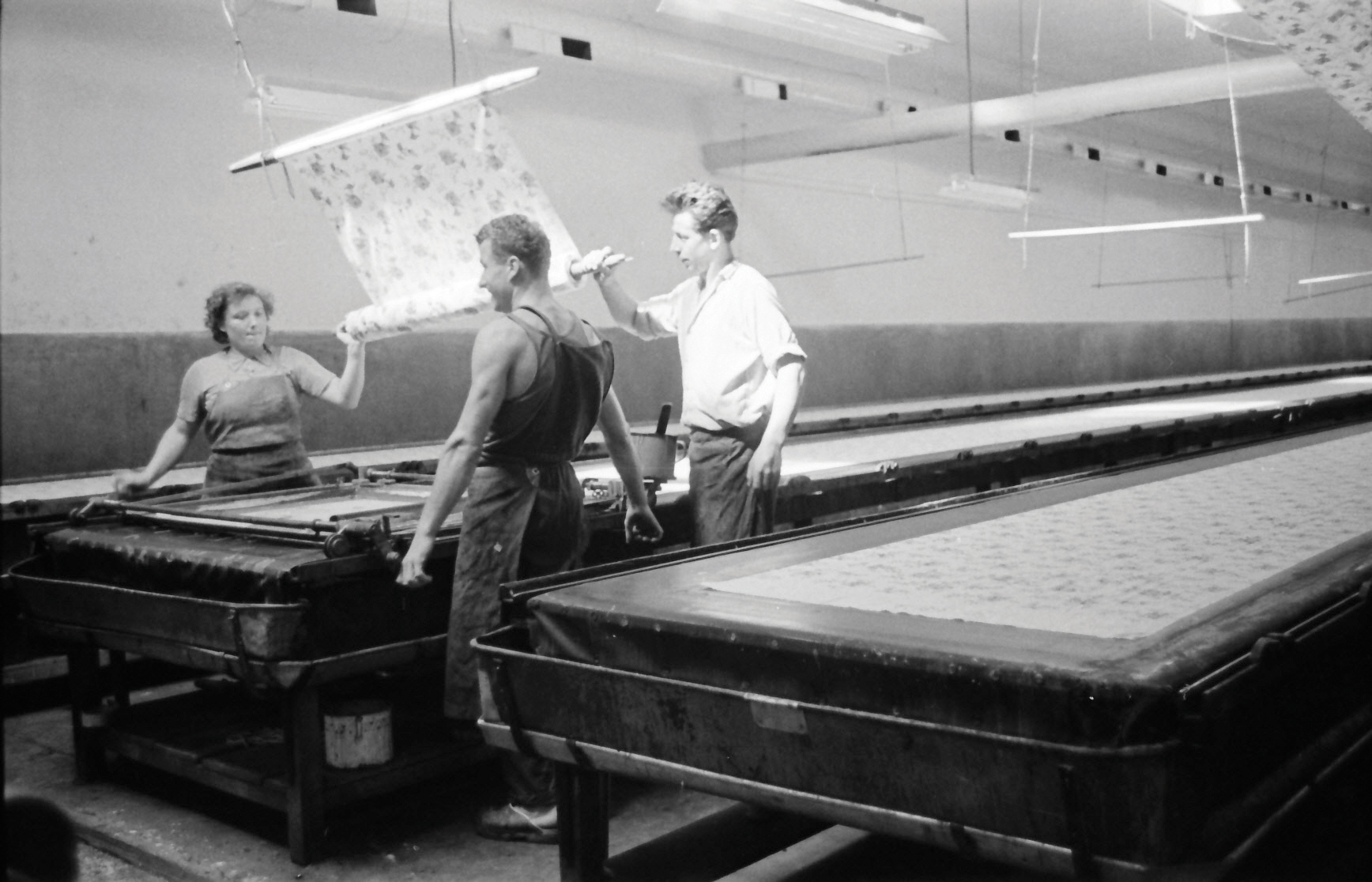
Discover Silk Treasures in the Virtual Exhibition
Within the ARACNE Virtual Silk Exhibition, the focus is placed on presenting the variety and richness of silk-related objects and creations that stem from both tradition and contemporary innovation. The exhibition highlights items such as:
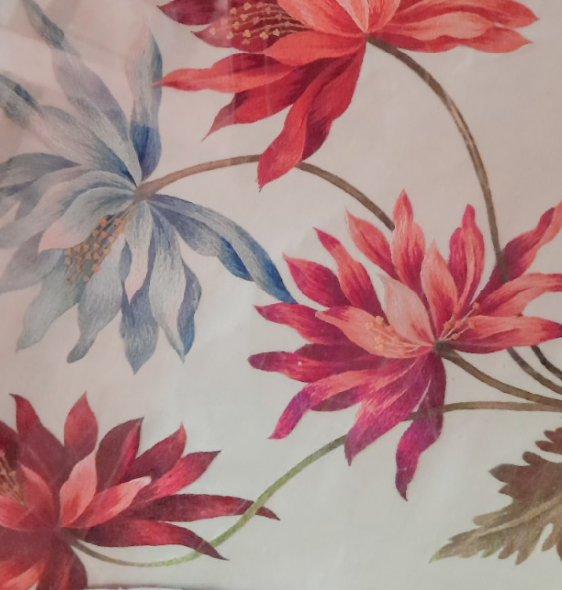
- Handcrafted scarves and textiles made from silk, merging heritage techniques with modern design approaches.
- Jewelry and decorative pieces produced from natural silk cocoons and mulberry wood, illustrating the organic connection between raw materials and final artistic forms.
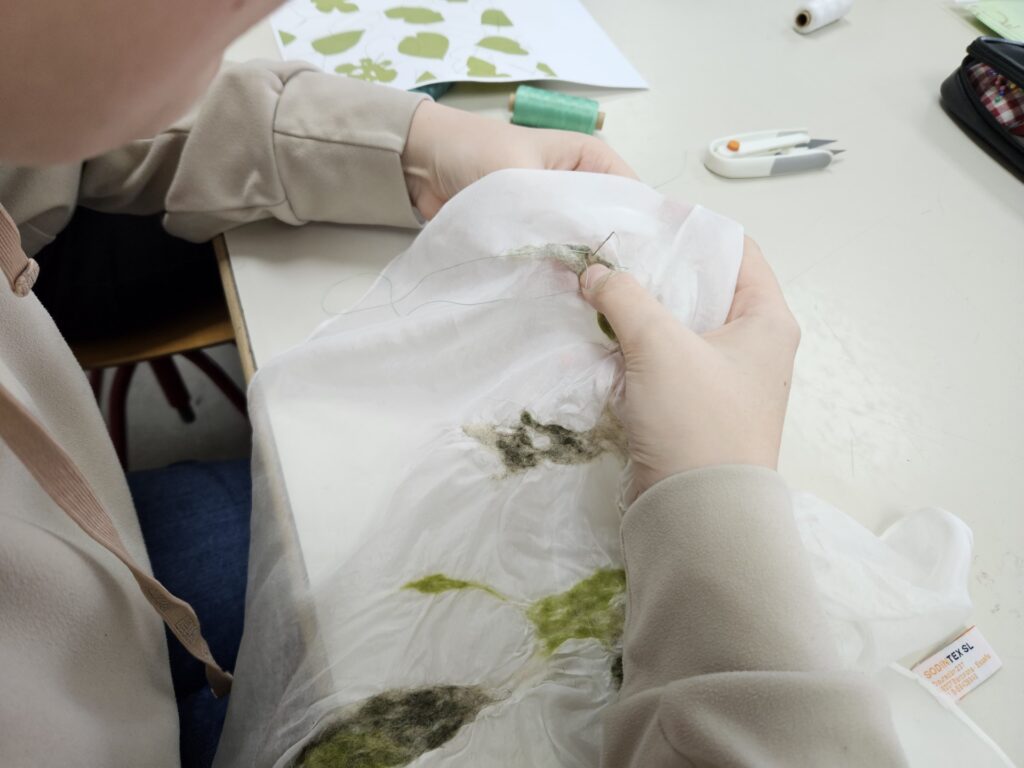
- Student textile prototypes and experimental works, reflecting ongoing research and educational engagement in sustainable fashion and material experimentation.
- Posters, digital artworks, and scientific exhibits that document and interpret the diverse aspects of sericulture and the cultural importance of silk throughout European history.
- Selected items and collections originating from partner museums and institutions, representing both the tangible artifacts of silk craftsmanship and intangible elements, such as skills and traditional knowledge.
This section demonstrates how ARACNE’s activities support the documentation, reinterpretation, and dissemination of silk heritage, from its natural origins to final creative outputs, and how these efforts contribute to a broader understanding of silk’s role in shaping European cultural identity.
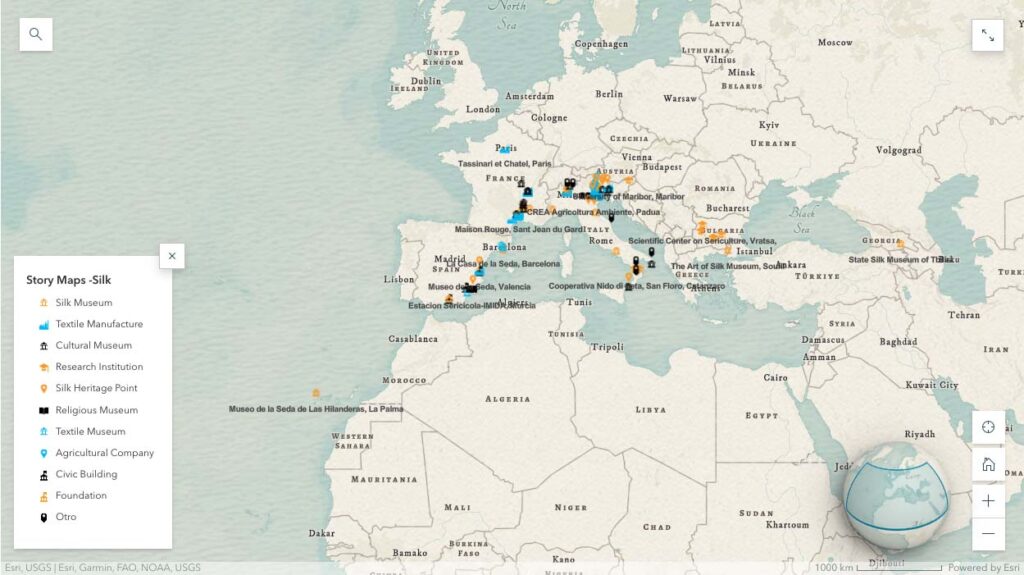
The Vision: A Modern European Silk Route
ARACNE’s core ambition is to rebuild and promote a European Silk Route—a cultural itinerary that traces historic and contemporary silk production, trade, and innovation across Europe. Inspired by the ancient paths followed by travelers like Marco Polo, the project aims to:
- Reinvigorate traditional silk-related skills and crafts.
- Foster architectural, artistic, and landscape heritage linked to silk.
- Support the development of new, sustainable silk-based products and services.
- Build connections among communities, museums, creative industries, and researchers.
Why Does Silk Matter Today?
Silk is much more than a luxury fabric. For centuries, it has linked European economies, cultures, and scientific progress. Today, silk remains:
- A symbol of European craftsmanship and artistic tradition.
- A key material for sustainable innovation—biodegradable, versatile, and suitable for fashion, cosmetics, and biotech.
- An economic opportunity for local producers and creative industries.
- A connector of communities and new European identities.
Seven Core Objectives of ARACNE
- Enhance knowledge and collective memory for a renaissance of the European Silk Innovation Ecosystem.
- Co-create creative, human-centered silk-based solutions using digital technologies.
- Implement new strategies, governance, and funding models for creative and cultural organizations.
- Establish a European Silk Route, uniting tangible and intangible silk heritage.
- Raise awareness of ARACNE’s results, impacts, and the vision for a shared Silk Route.
- Strengthen European cultural identity and resilience through silk-linked heritage.
- Contribute to the European Green Deal, New European Bauhaus, and Sustainable Development Goals.
For More Information
To go deeper into ARACNE’s activities, results, and participation opportunities, visit the official project website: