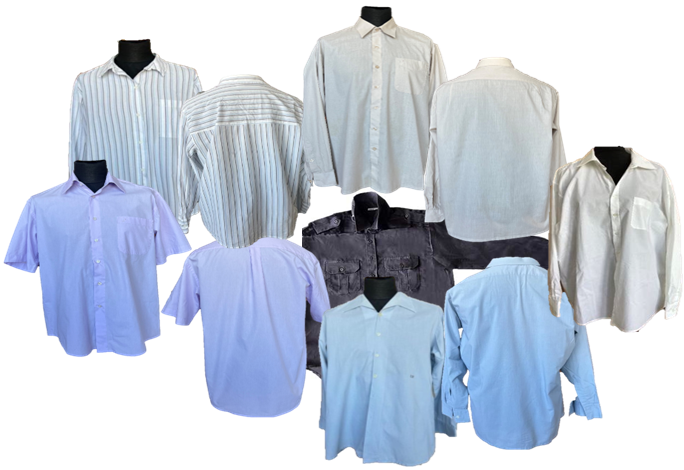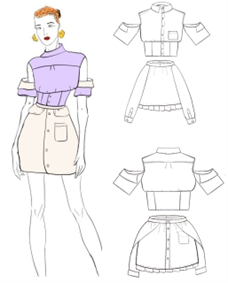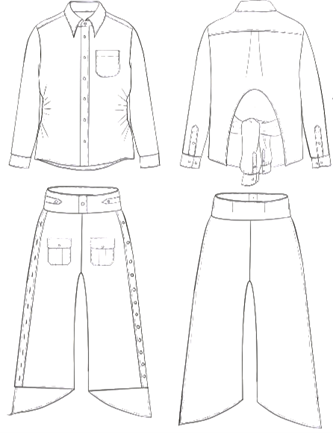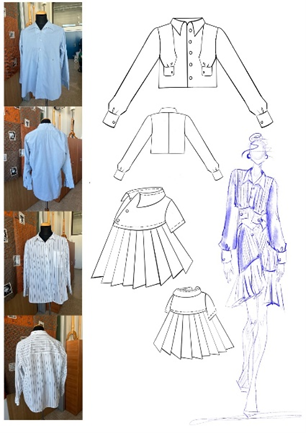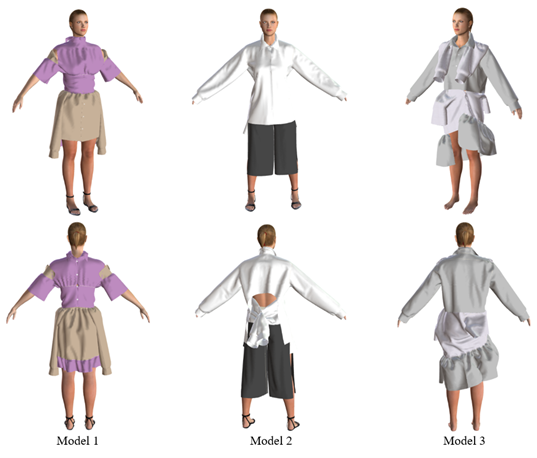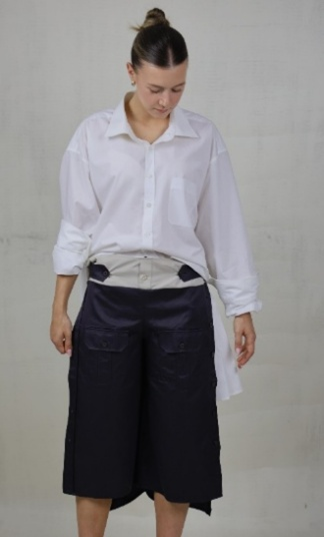

Sustainability in garments production refers to practices that minimize environmental impact, promote social responsibility and ensure the economic viability of the clothing industry. Conventional fashion production often results in harmful environmental impacts such as excessive water consumption, pollution from dyes and chemicals, and overconsumption of resources. In contrast, sustainable garment production focuses on reducing these negative impacts through various strategies of which a circular fashion being an important part of sustainable production. Garments designed with the entire life cycle in mind ensure that they can be reused, recycled or biodegraded without harming the environment. Reusing garments is a great way to reduce waste, conserve resources and extend the life of clothing. By redesigning garments and mixing old fabrics from different garments, unique new garments can be created. However, redesigning garments can generate a lot of waste, so a zero-waste approach should be followed as much as possible when redesigning. Presented collection explore the possibilities of using virtual 3D prototyping approach for the redesign of discarded garments according to the principle of zero-waste design.
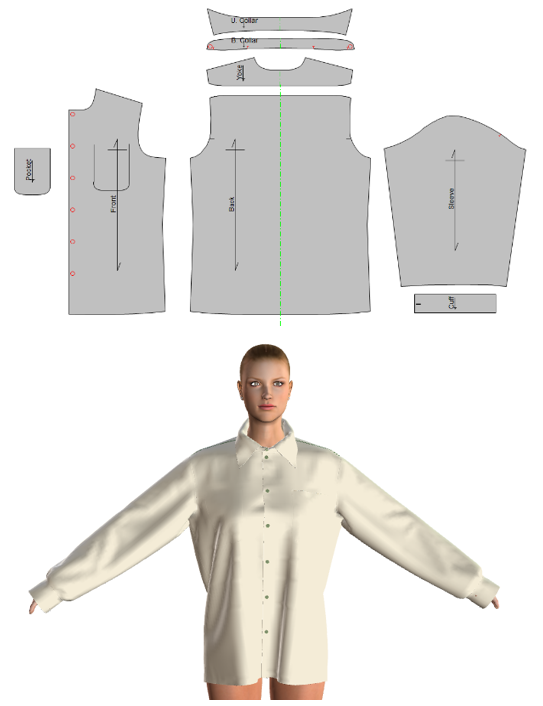
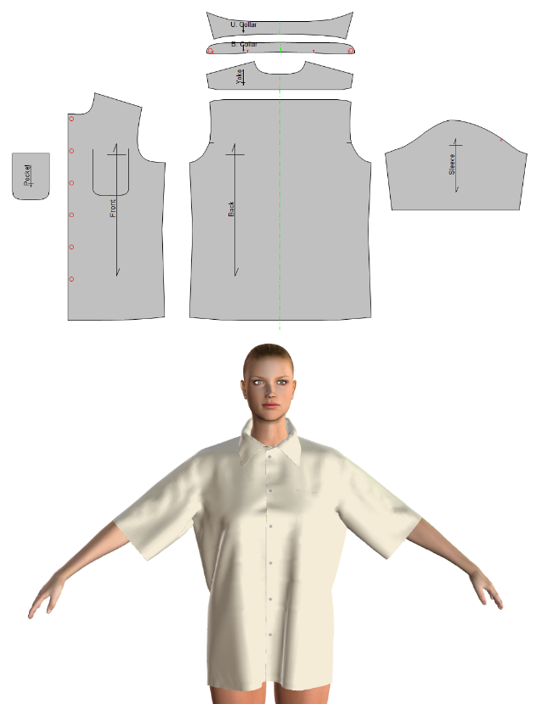
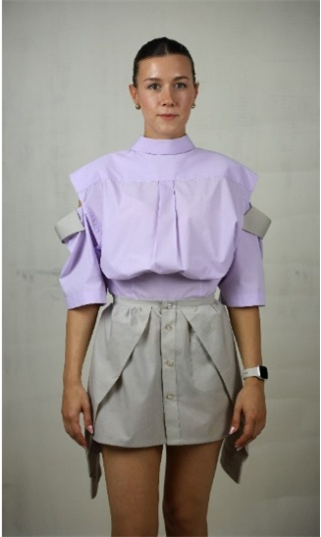
The virtual 3D prototypes of the shirts basic pattern designs served as a starting point for the redesign approach, which aimed to utilise as much of the existing discarded shirts as possible, following the principle of zero-waste. To this end, virtual prototyping cycles were carried out to achieve the desired aesthetic appearance of the garment, considering the minimal amount of textile material left over from the individual shirt. Once each virtual 3D garment prototype was approved, the physical prototypes of the garments were also created following the same principle of shirts cutting and assembling the shirts pattern pieces.
This innovative 3D Zero-Waste redesign principle is not only in line with the principles of sustainable fashion design, but also offers a practical solution for reducing waste in the redesign process.