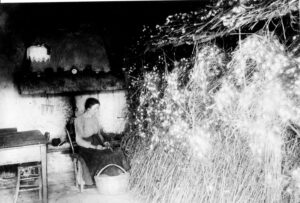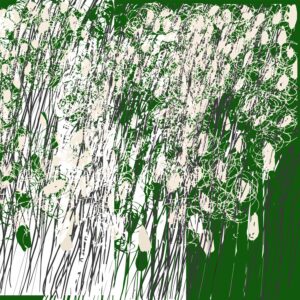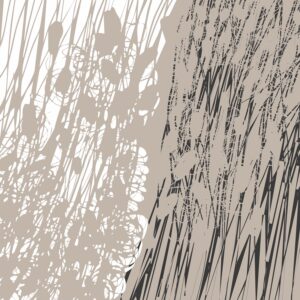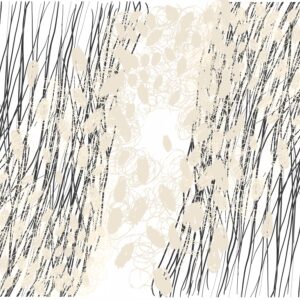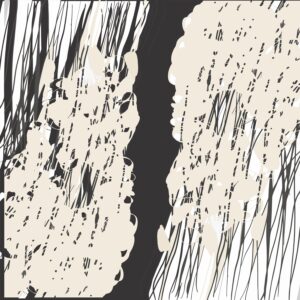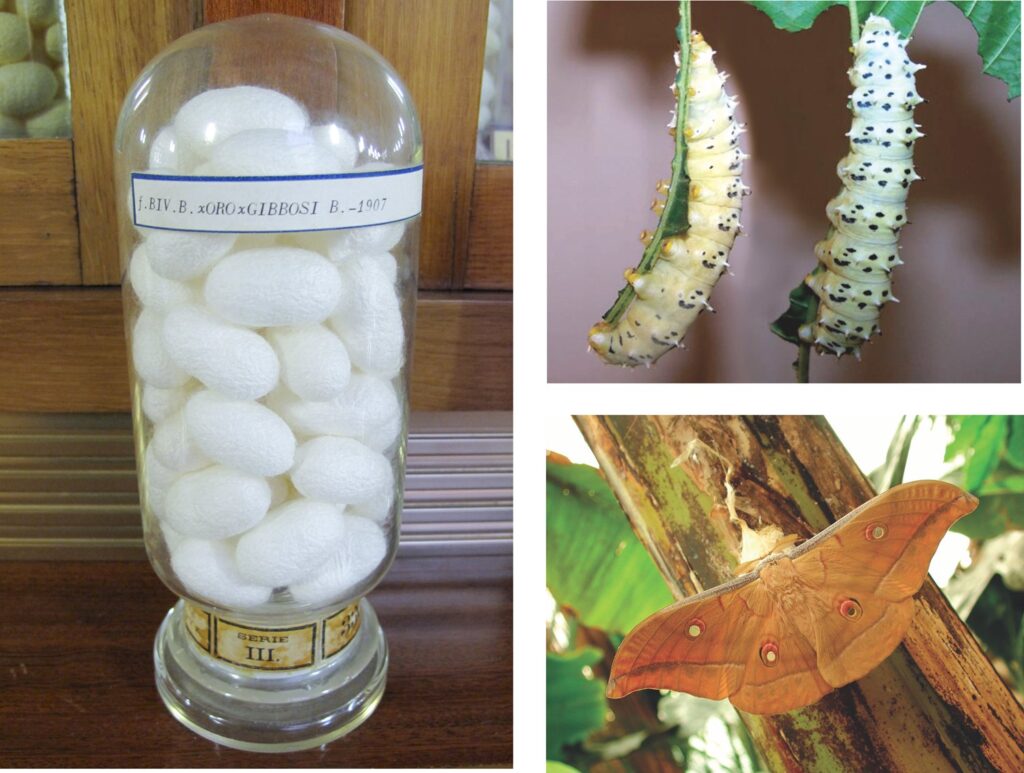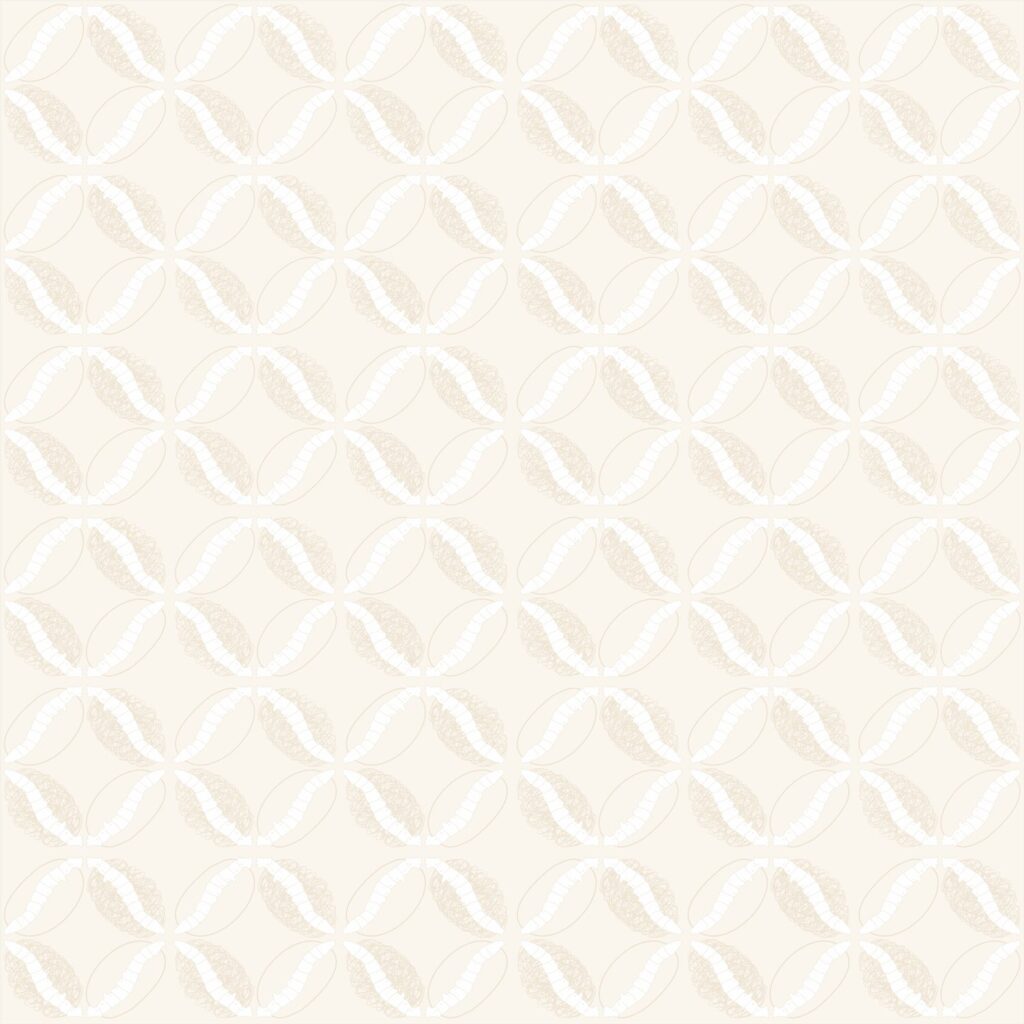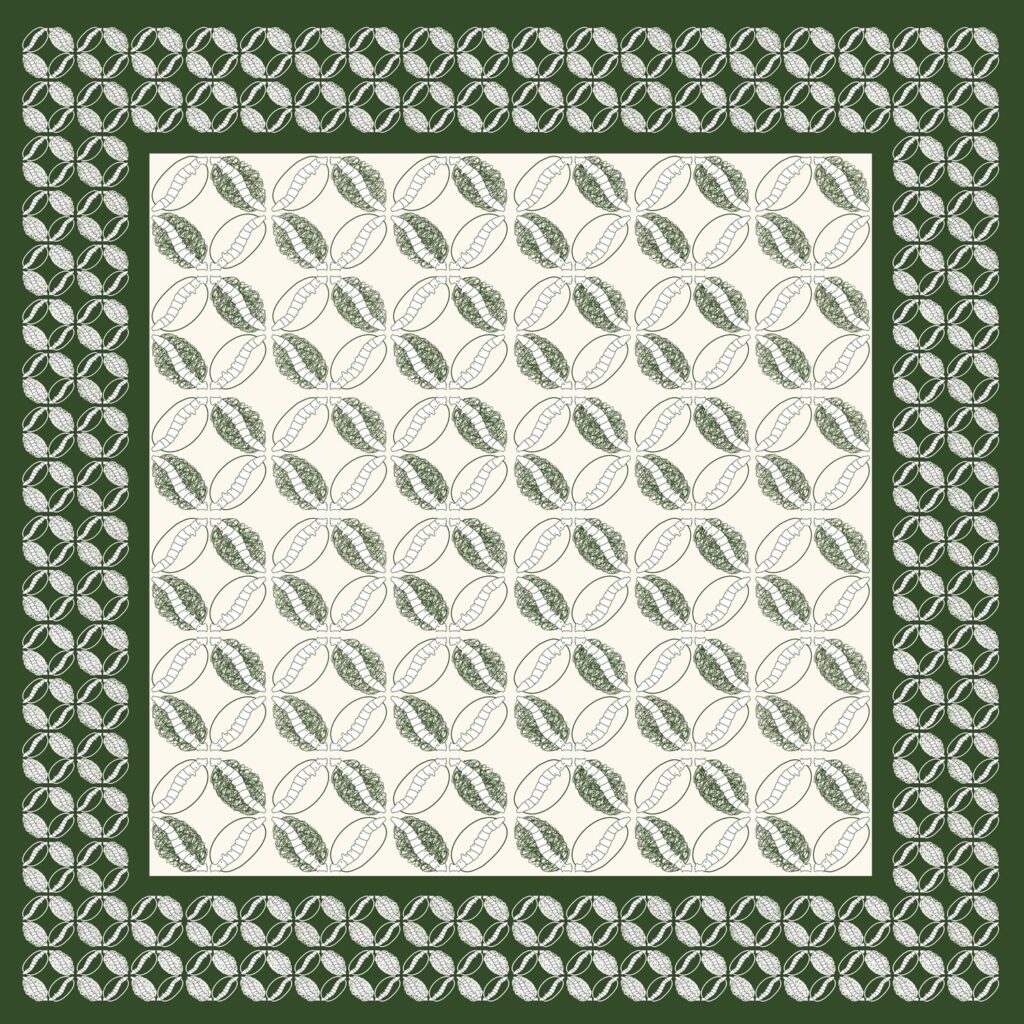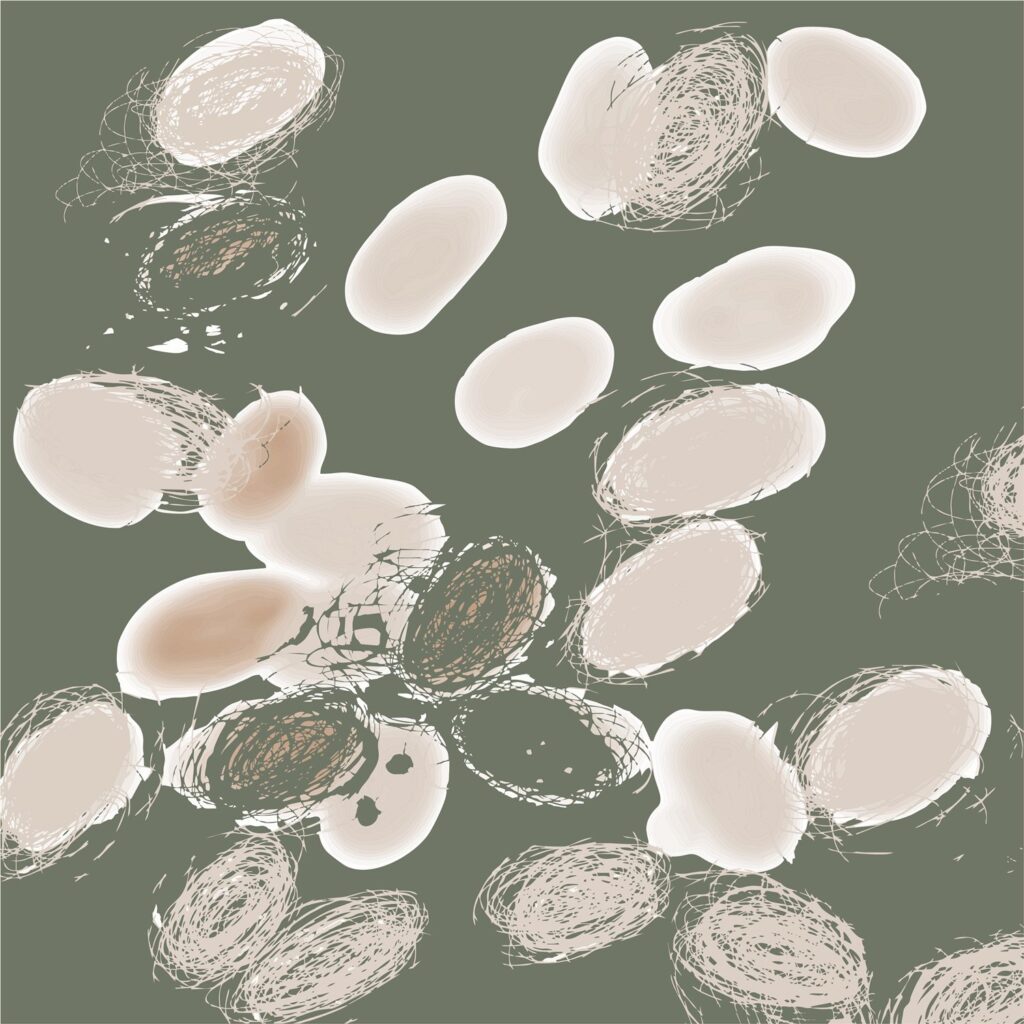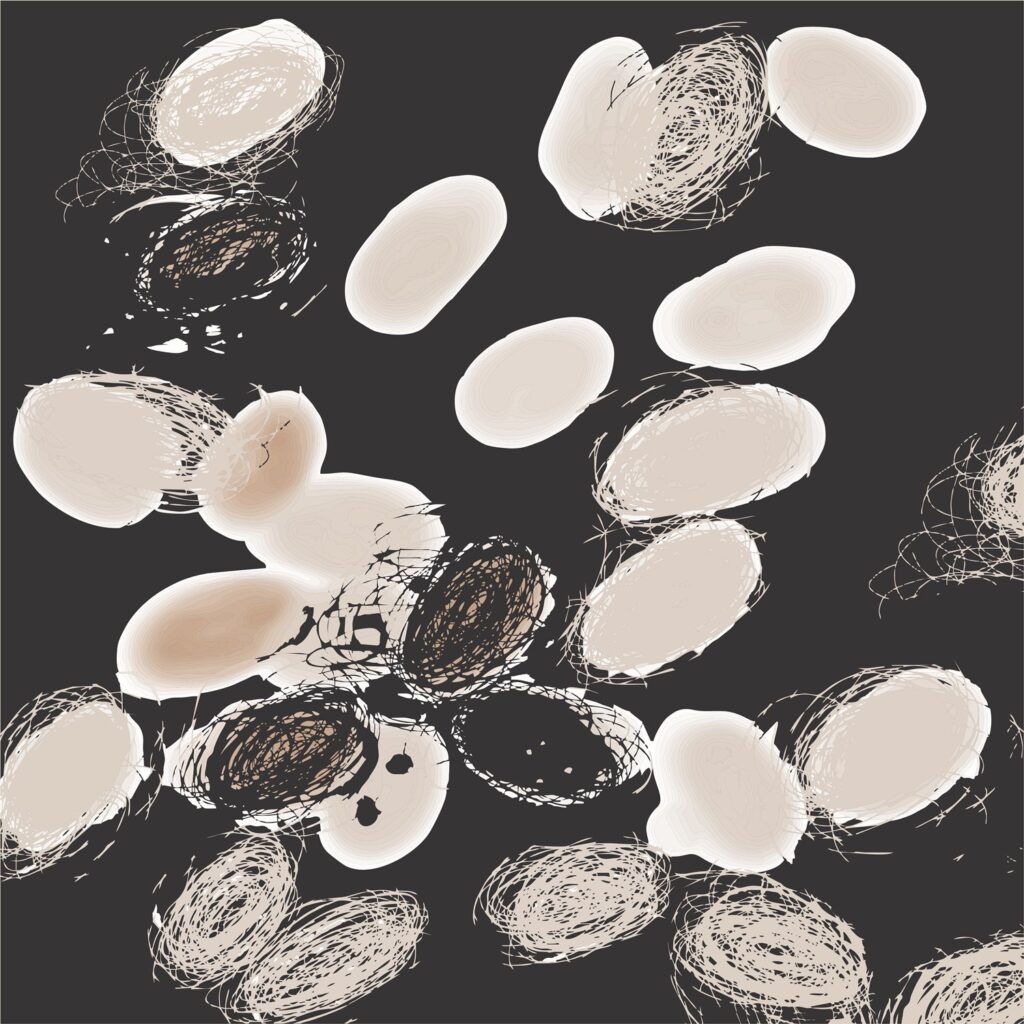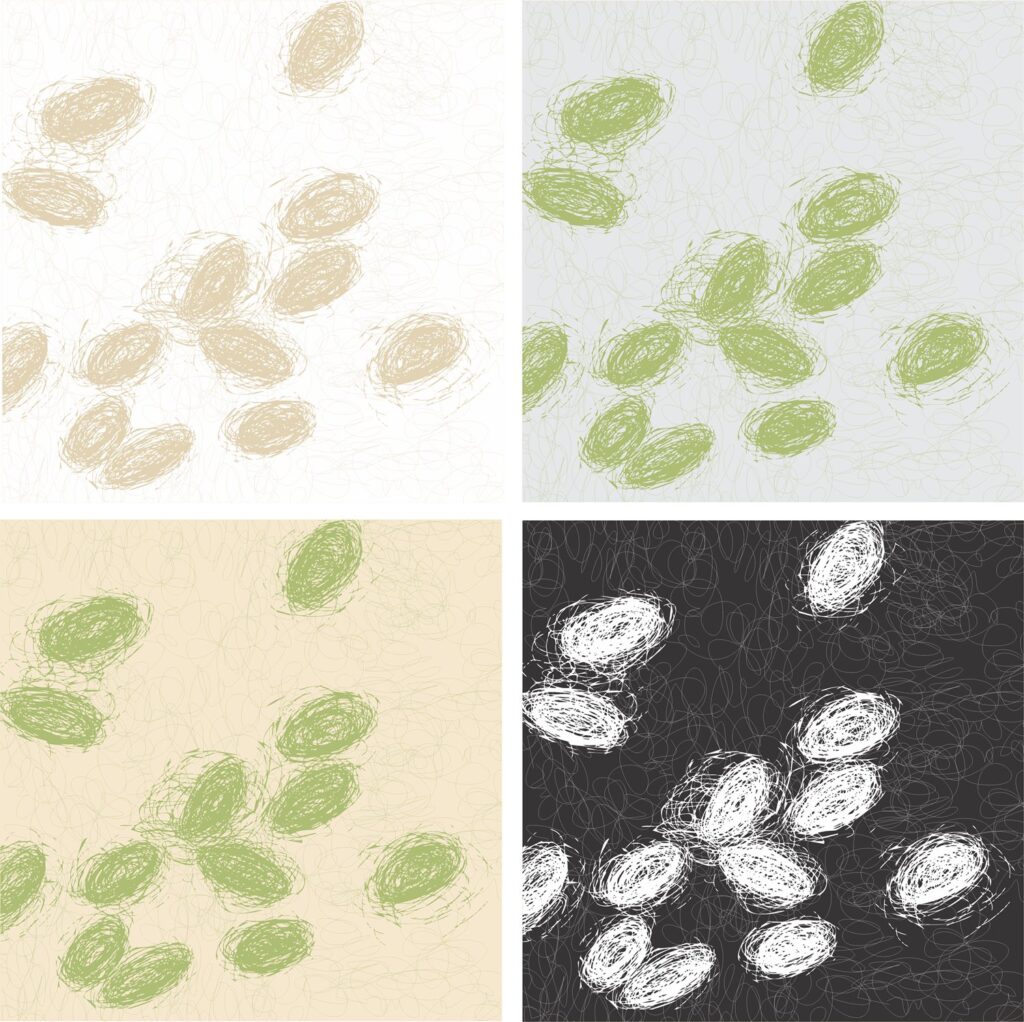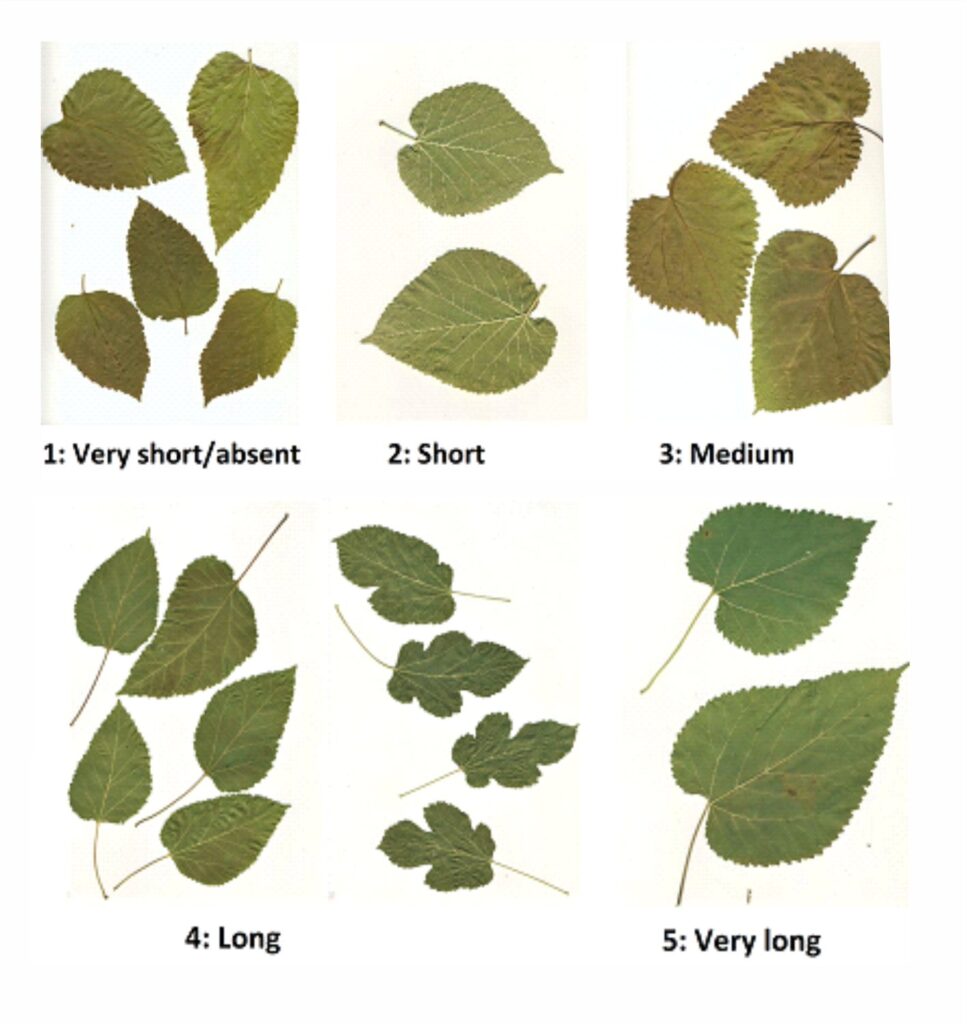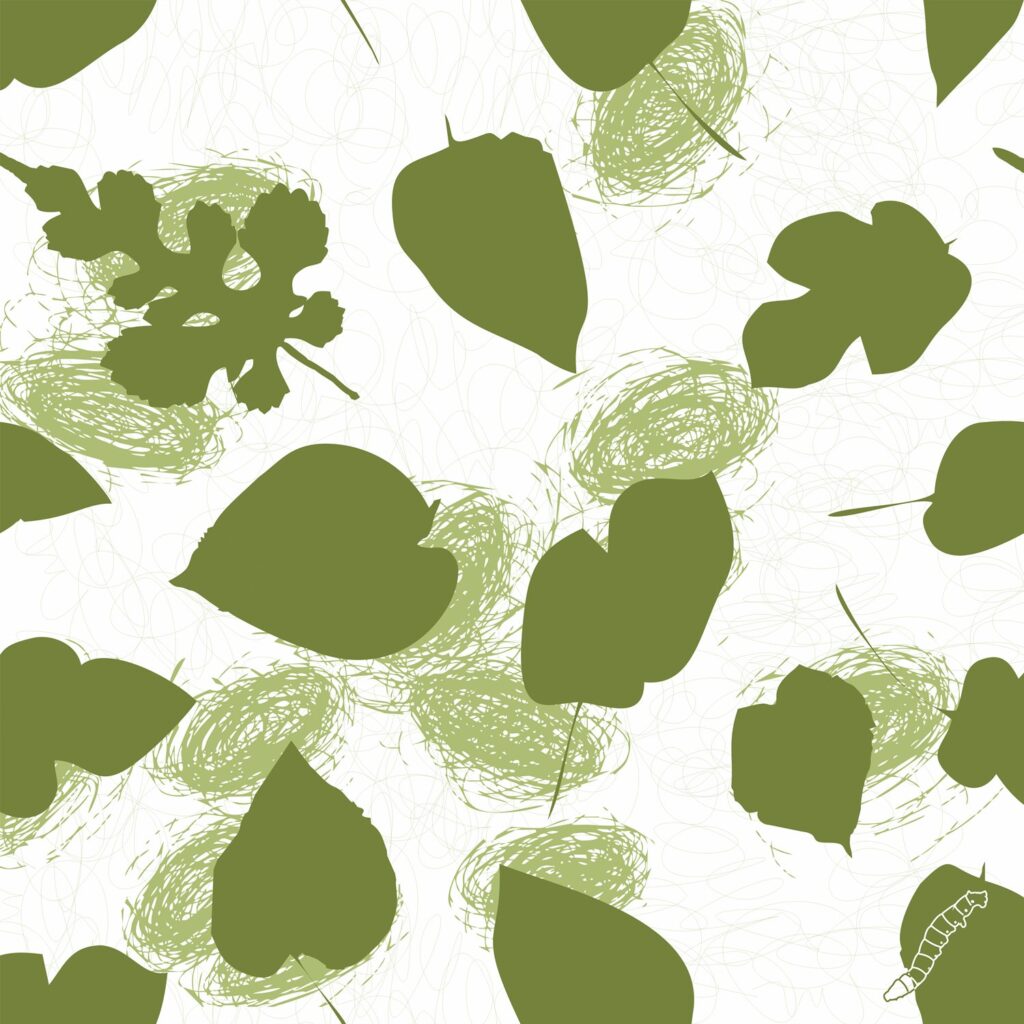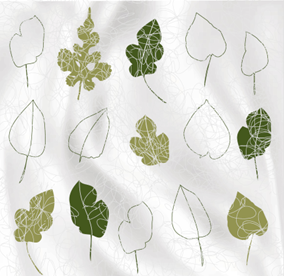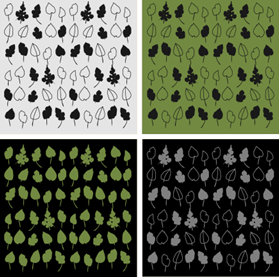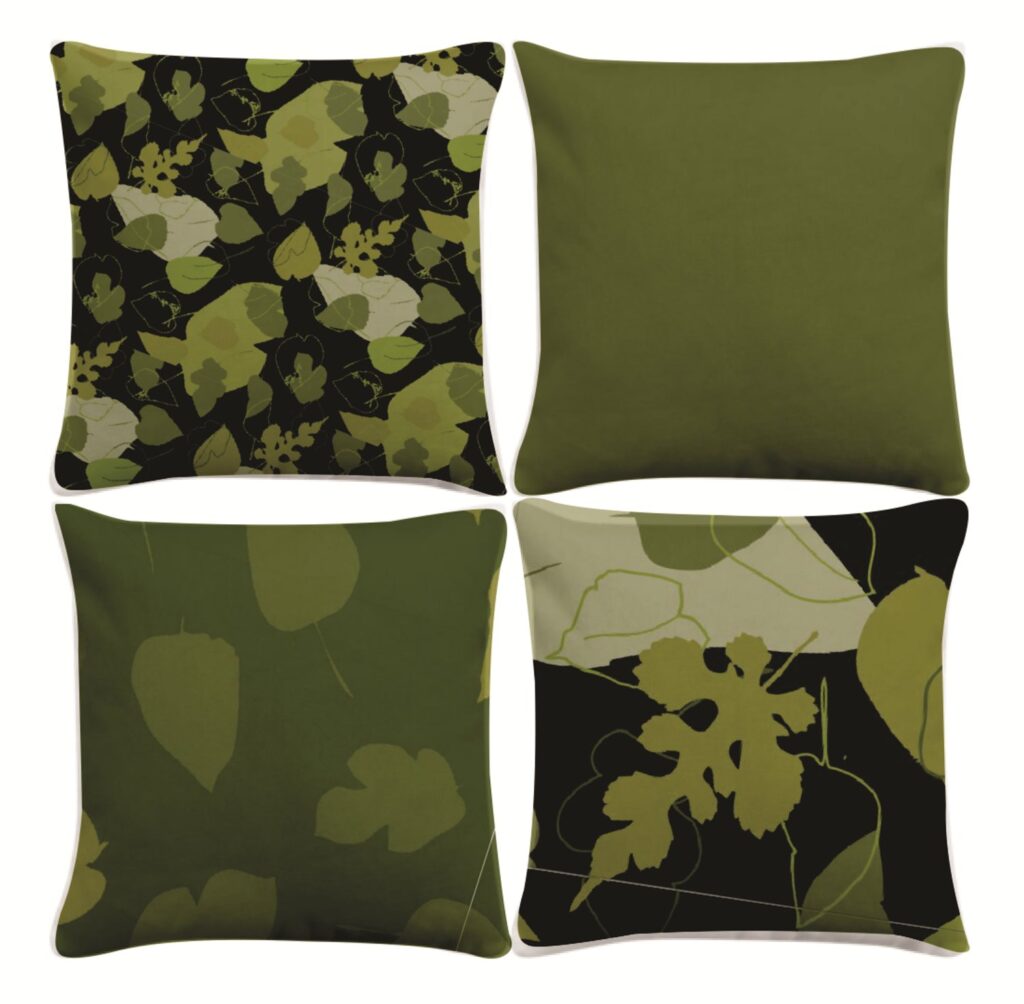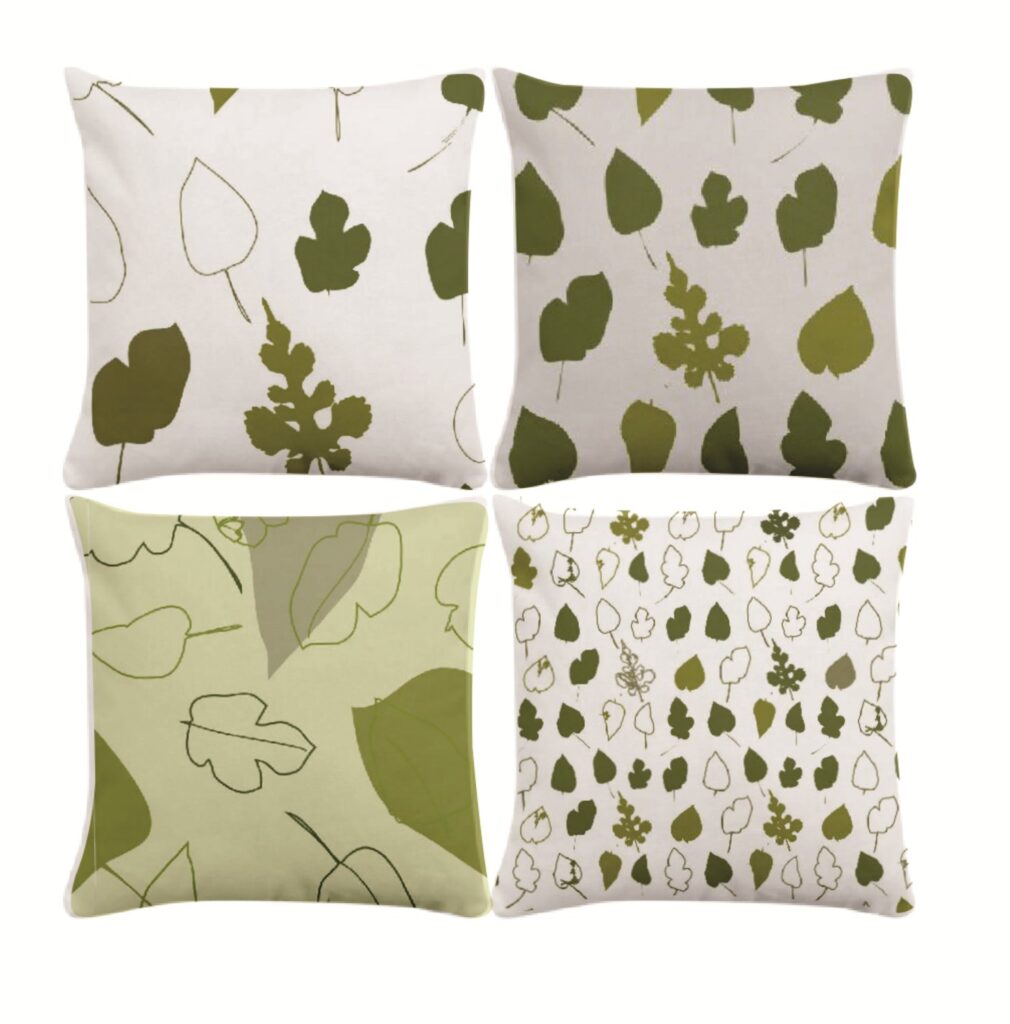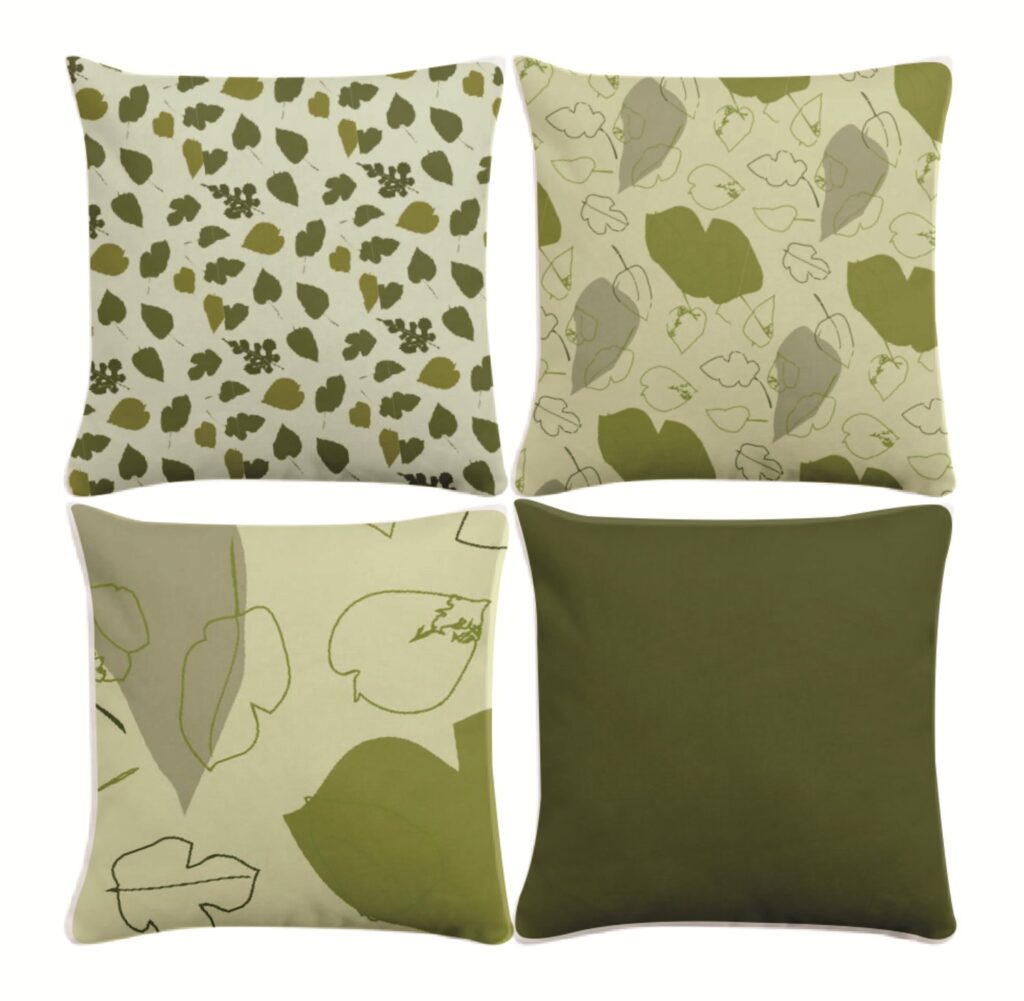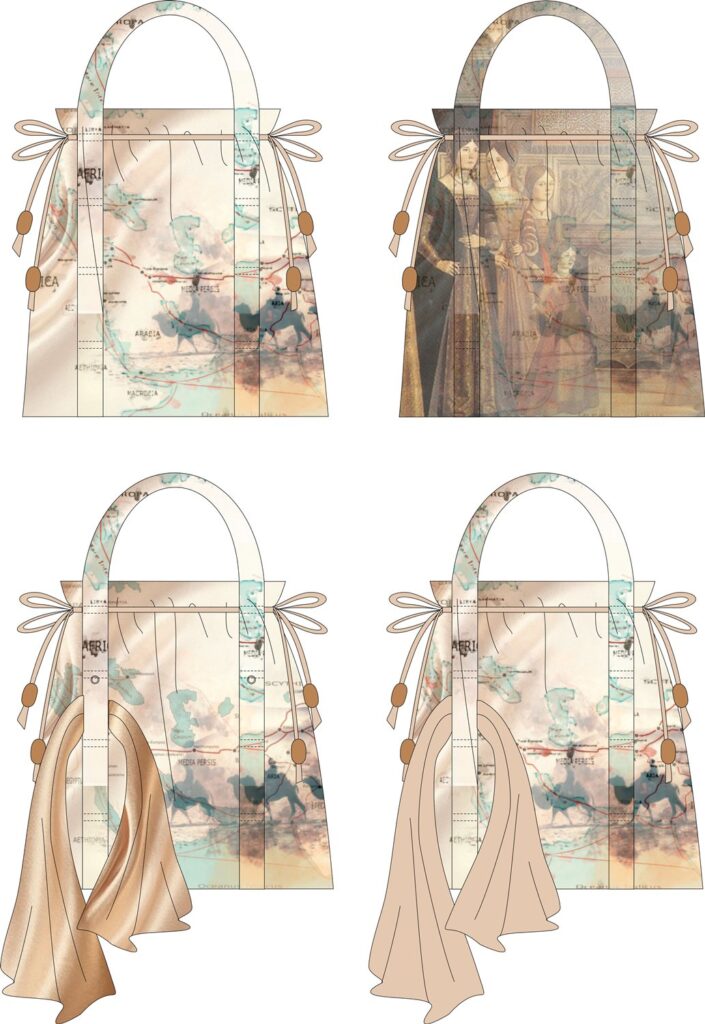
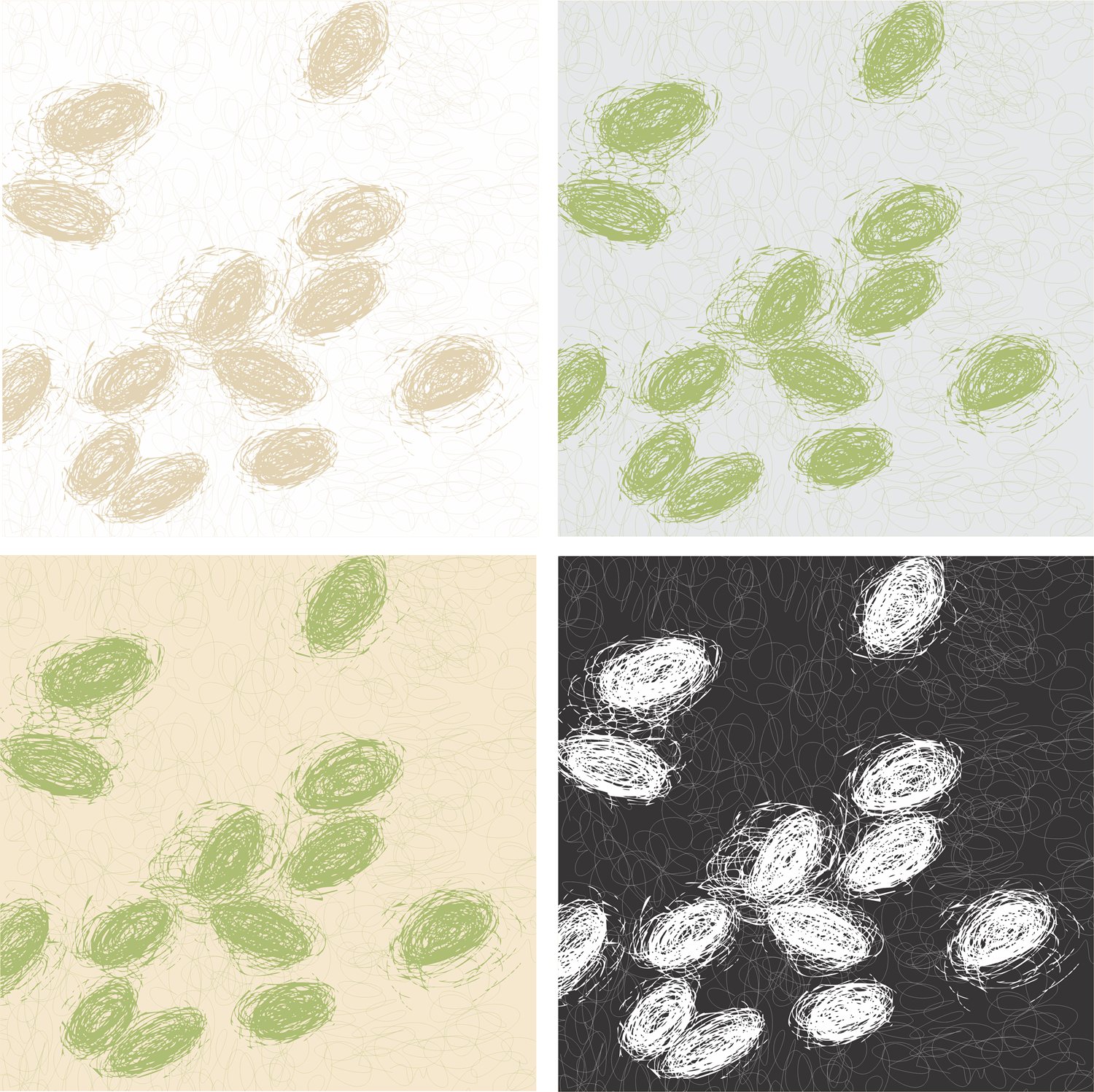
The task focuses on designing textile patterns inspired by different aspects of sericulture – from silkworms, their food – mulberry leaves, cocoons and the history of silk production. In exploring the patterns, involves numerous starting points where different organic forms intertwine, with the structures repeating in a dynamic rhythm as geometrical and symmetrical patterns or as asymmetrical free textile patterns.
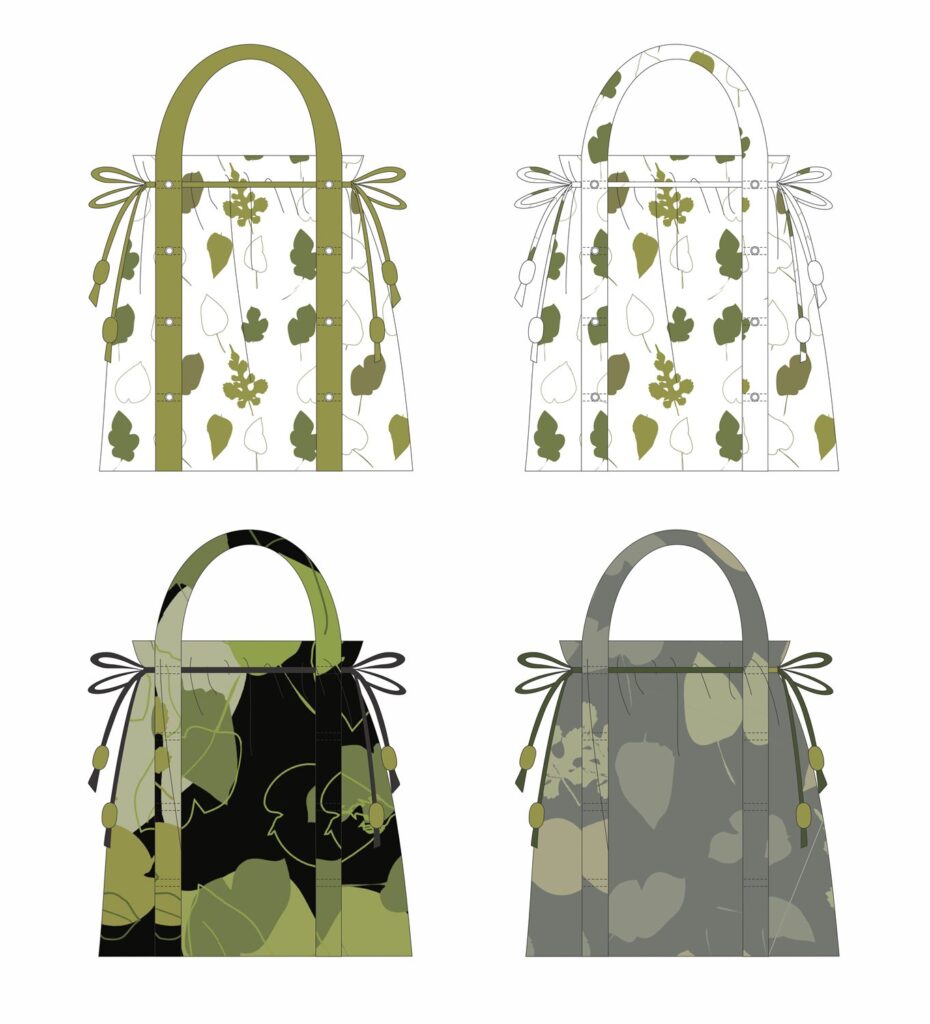
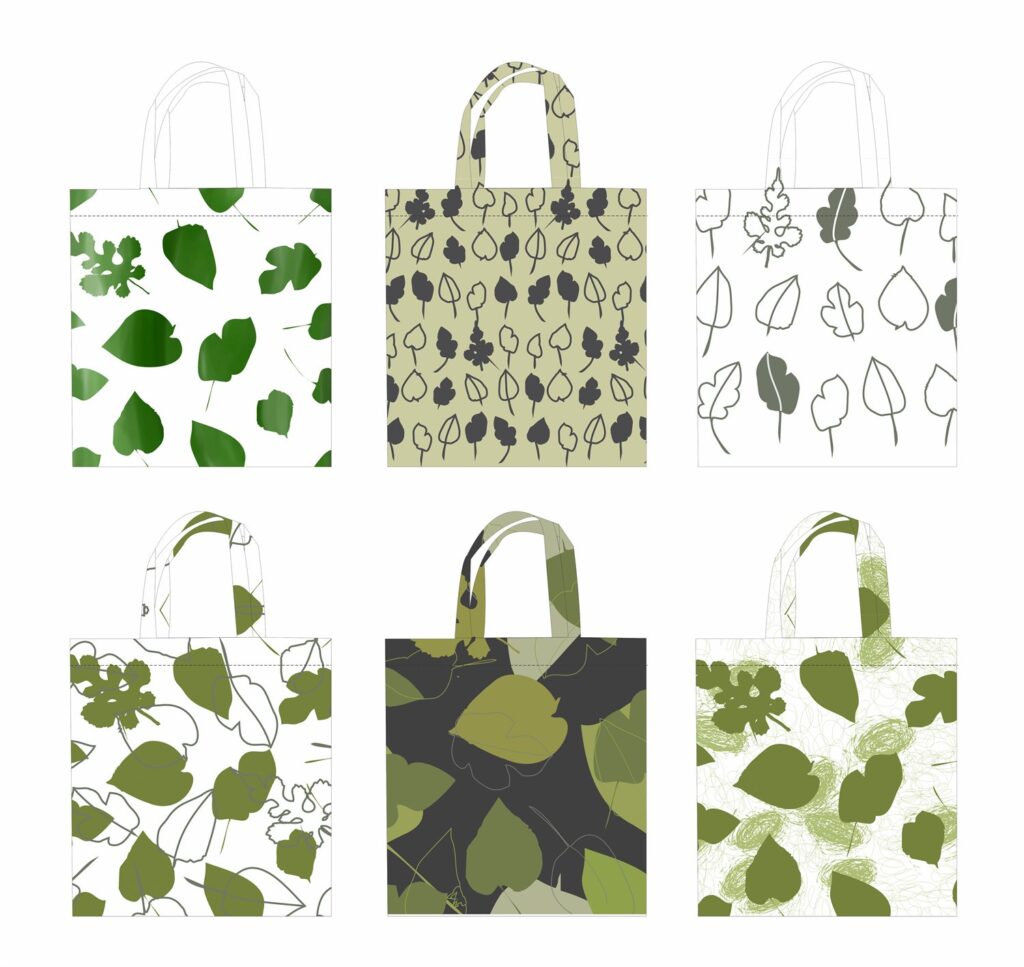
The patterns can be applied to various textile accessories, such as scarves, bags, small cases and shopping bags, which have both practical and aesthetic value and are suitable as tourist souvenirs.
Special emphasis is placed on the design of products that can be easily sewn under smaller production conditions, which is facilitated by Eva Cooperative. Therefore, basic models of bags and other accessories have been developed that combine functionality, ease of production and visual interest while being suitable for local production and use. Different techniques can be used to represent the patterns, from embroidery techniques to screen printing, which has proven to be suitable for transferring patterns to textiles as it allows for manual, low-cost and flexible production on a small scale.