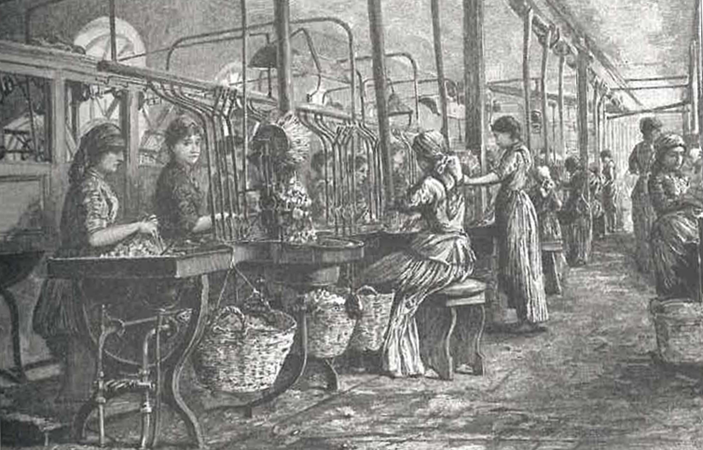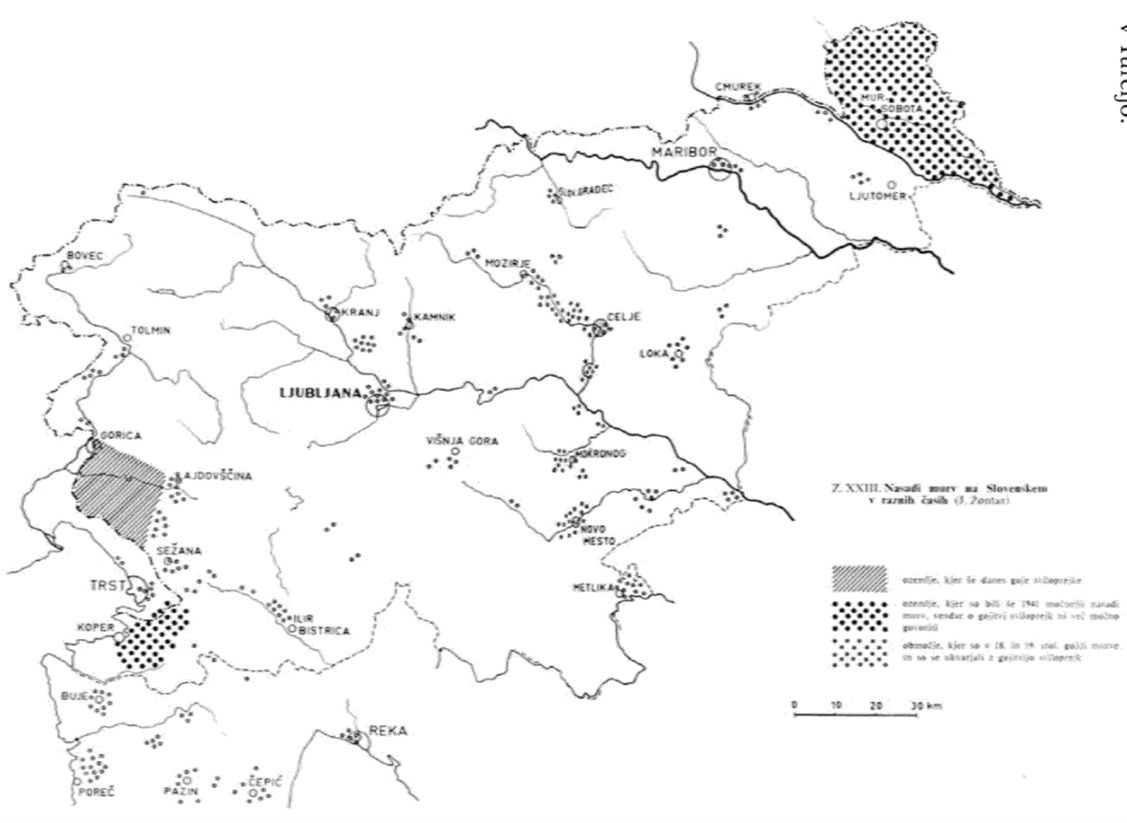
To create a virtual collection of clothing and textile patter designs the silk industry in Slovenia was analysed in both its historical and contemporary manifestations. In the middle of the 16th century, silkworm breeding and mulberry cultivation first spread via Venice to Goriška in present-day Slovenia. In the 17th century, mulberry cultivation became even more intensive and the silk industry was promoted through the establishment of manufactories and the production of silk fabrics. In Slovenia, the 18th century is considered the golden age of silk cultivation and was promoted by Maria Theresa. The first half of the 18th century was decisive for the development of silkworm breeding in Primorska. In 1719, the construction of reeling plants began, which gradually developed into larger factories. Pierre Toussaint Tabouret, a wigmaker from France, began producing silk stockings in Ljubljana in 1728. The first factory for the production of silk products was then opened in Carniola. Silk production in Goriška reached its peak in the second half of the century. In the first half of the 19th century, mulberry cultivation declined due to the French wars and other economic problems, but silk production in Goriška and Gradiščansk remained. During this time, several hundred thousand kilogrammes of cocoons were produced annually. Several schools and centres for sericulture were established, which contributed to the expansion of the activity. In the middle of the century, the Sericulture Society was also founded in Styria. At the end of the 19th century, sericulture began to decline due to the silkworm disease, which severely affected the industry. Today, sericulture in Slovenia is considered an ecologically sustainable agricultural industry of the future, which has great potential for development due to the country’s natural conditions and historical tradition.
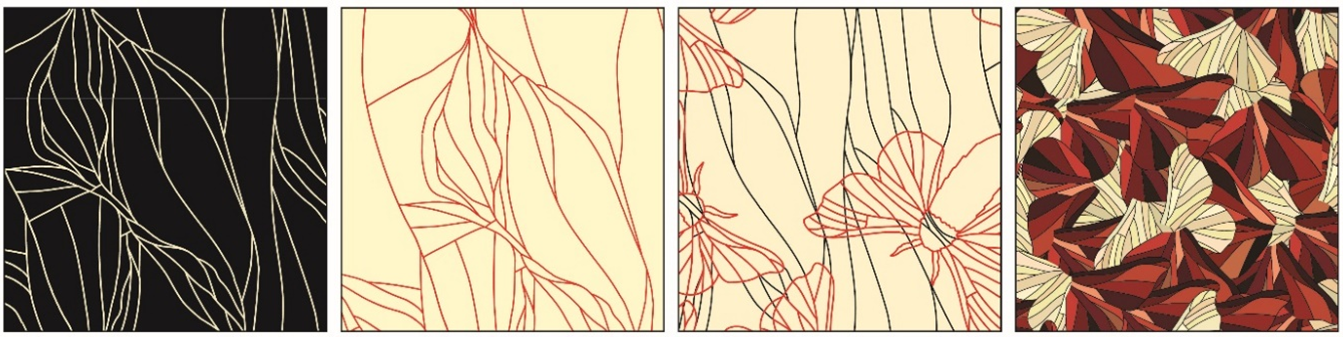
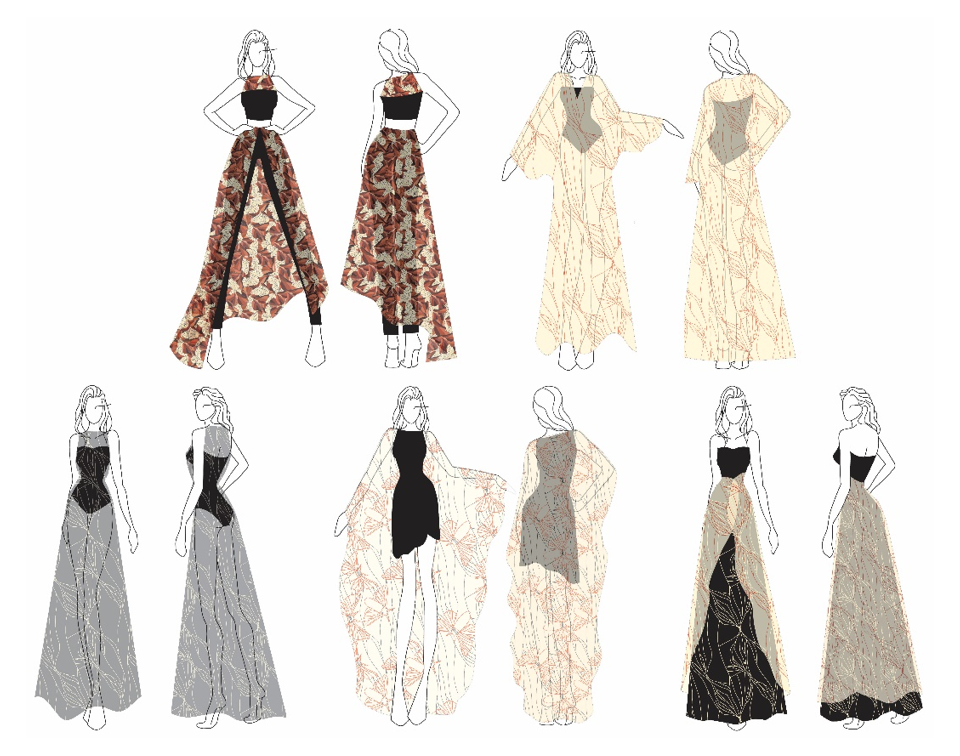
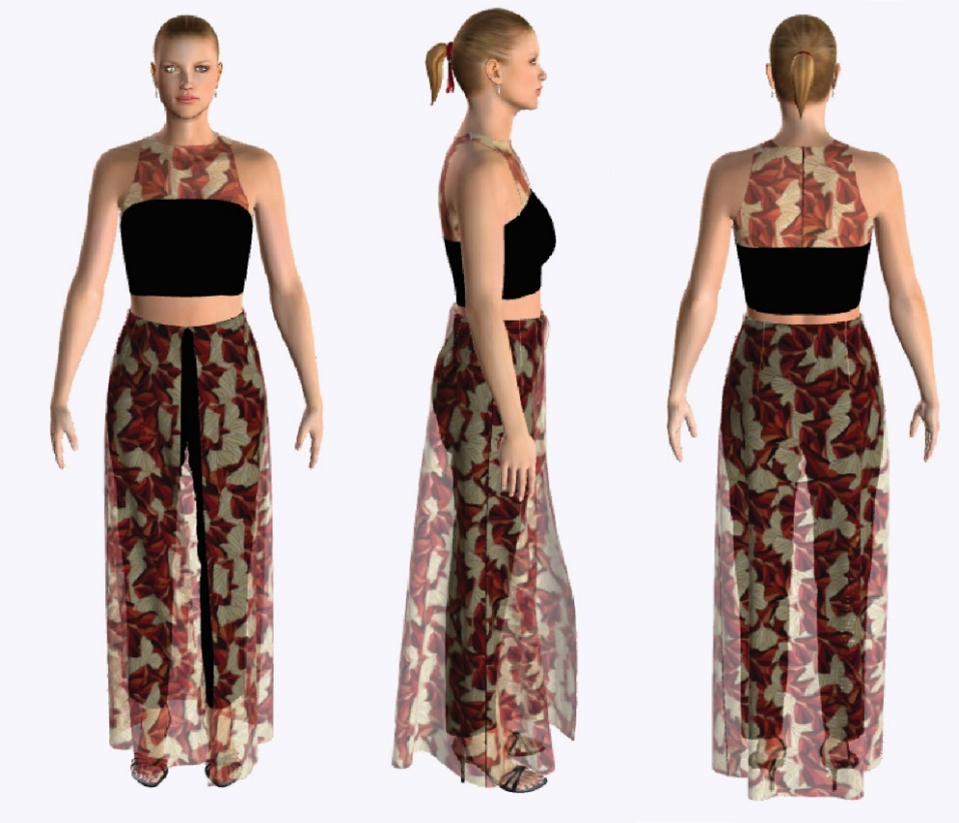
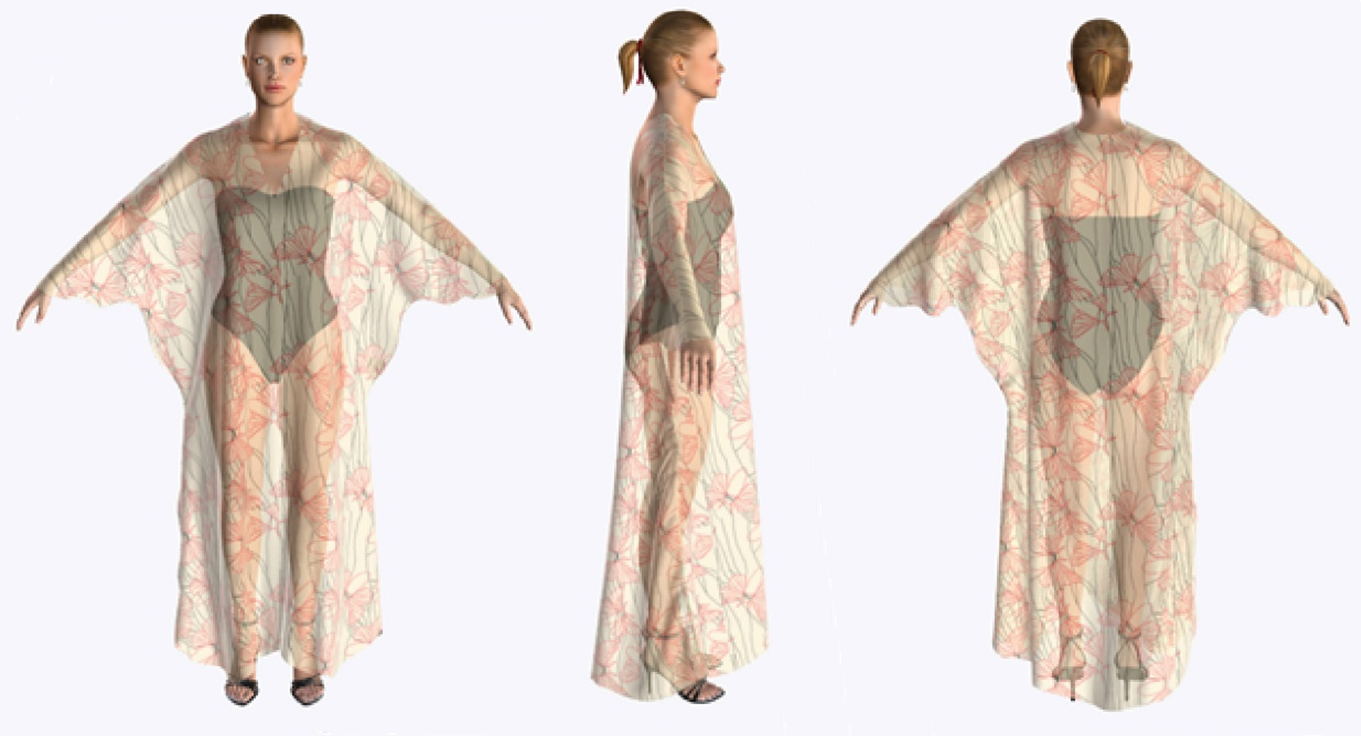
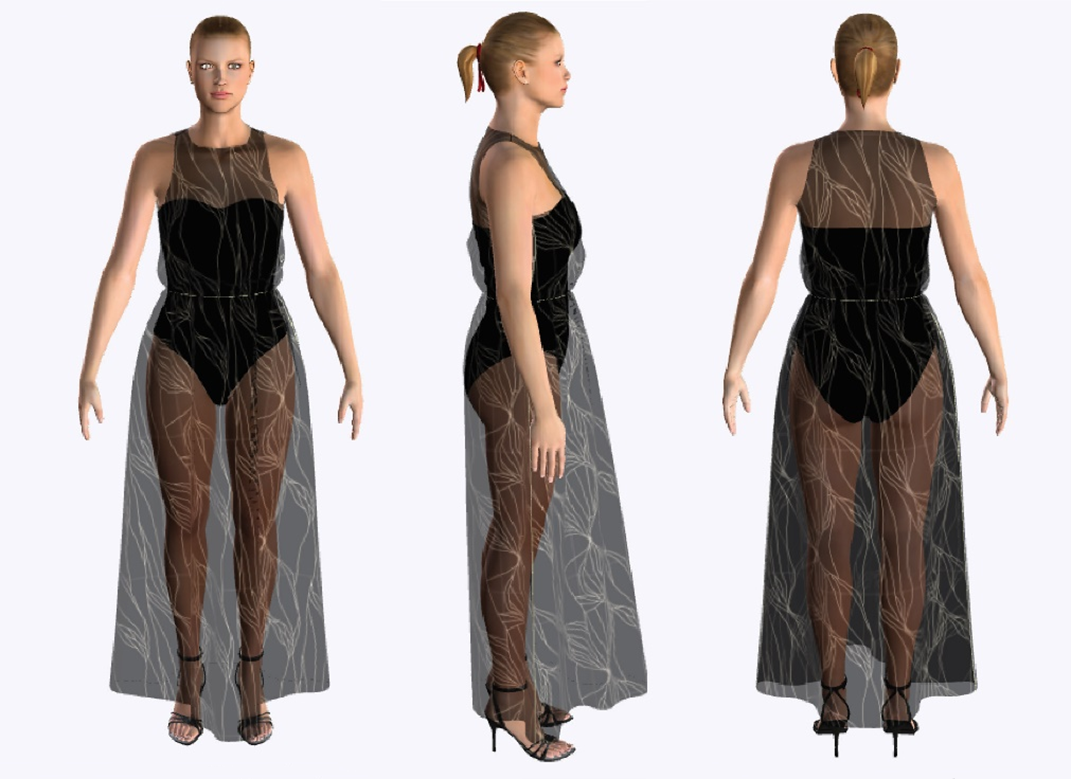
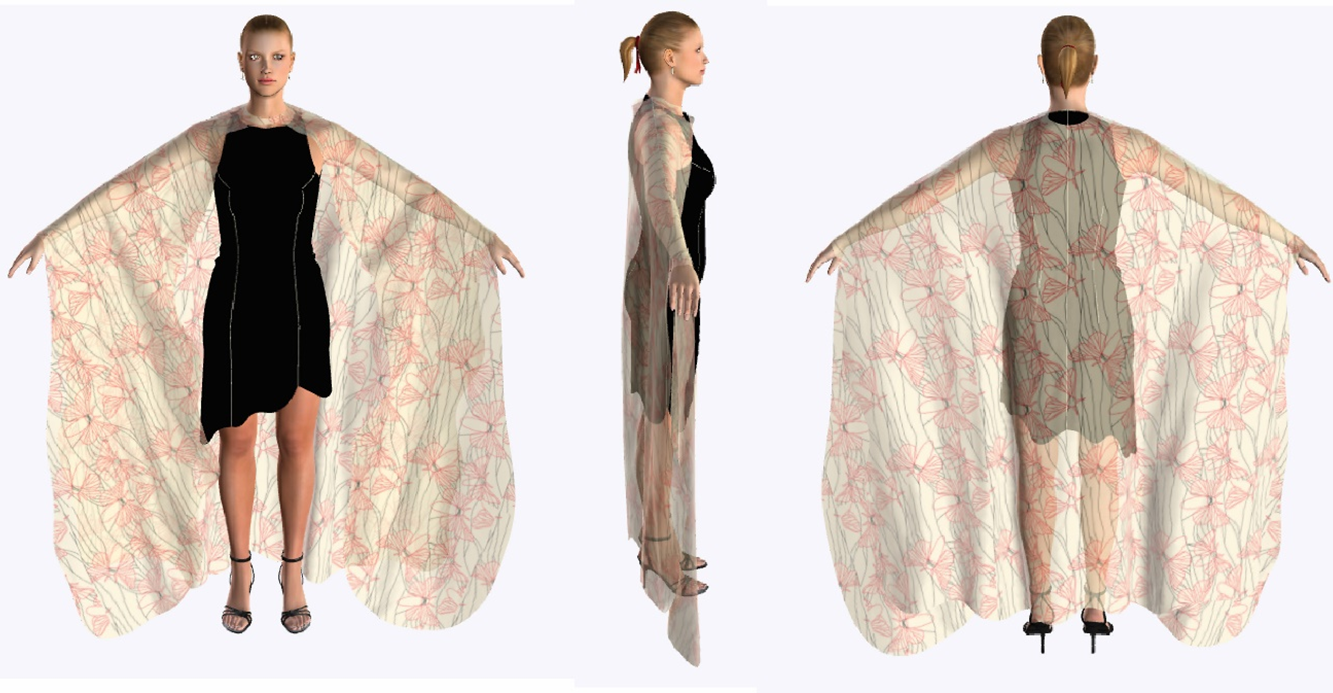
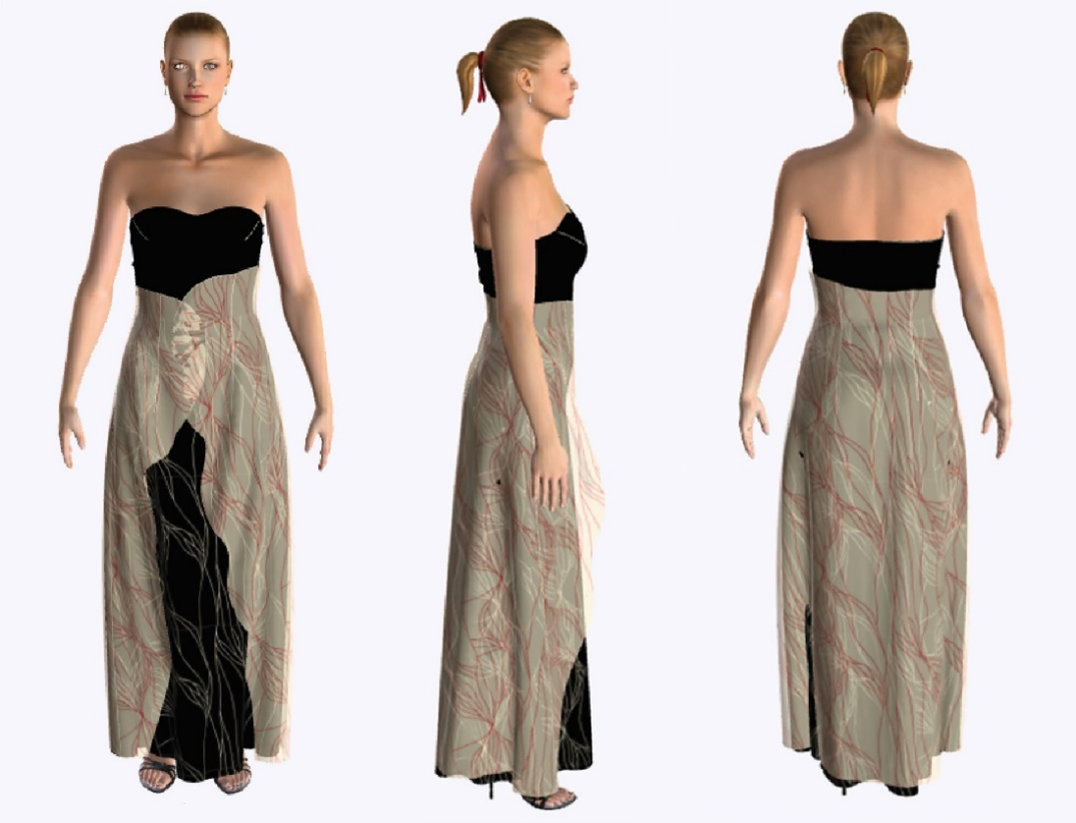
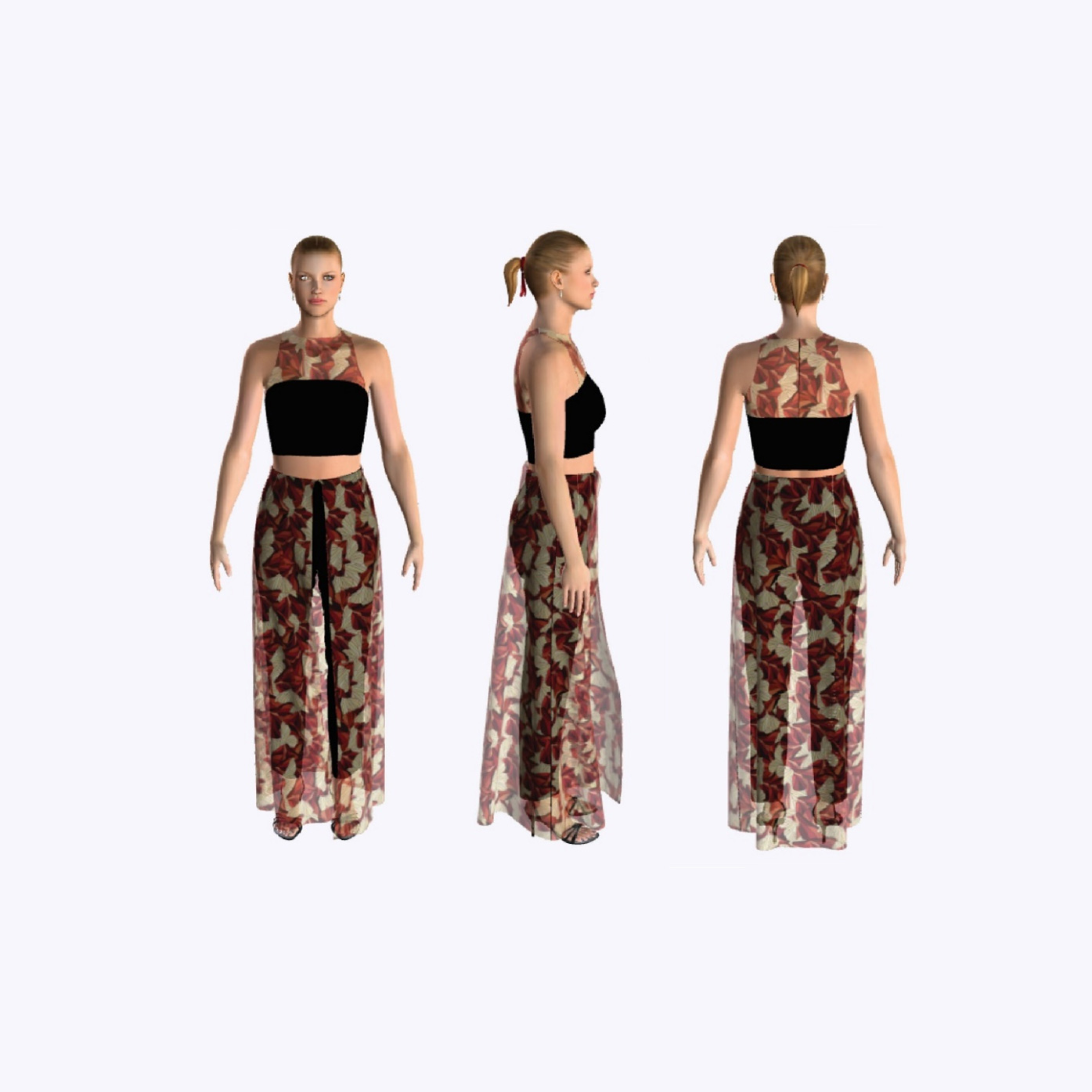
MuCoSi clothing collection reflects simple clothing designs with capes or scarves with printed textile patterns inspired by mulberry, cocoons and silk. The clothing collection is developed and presented in a virtual environment with visualised 3D prototypes of the garments.